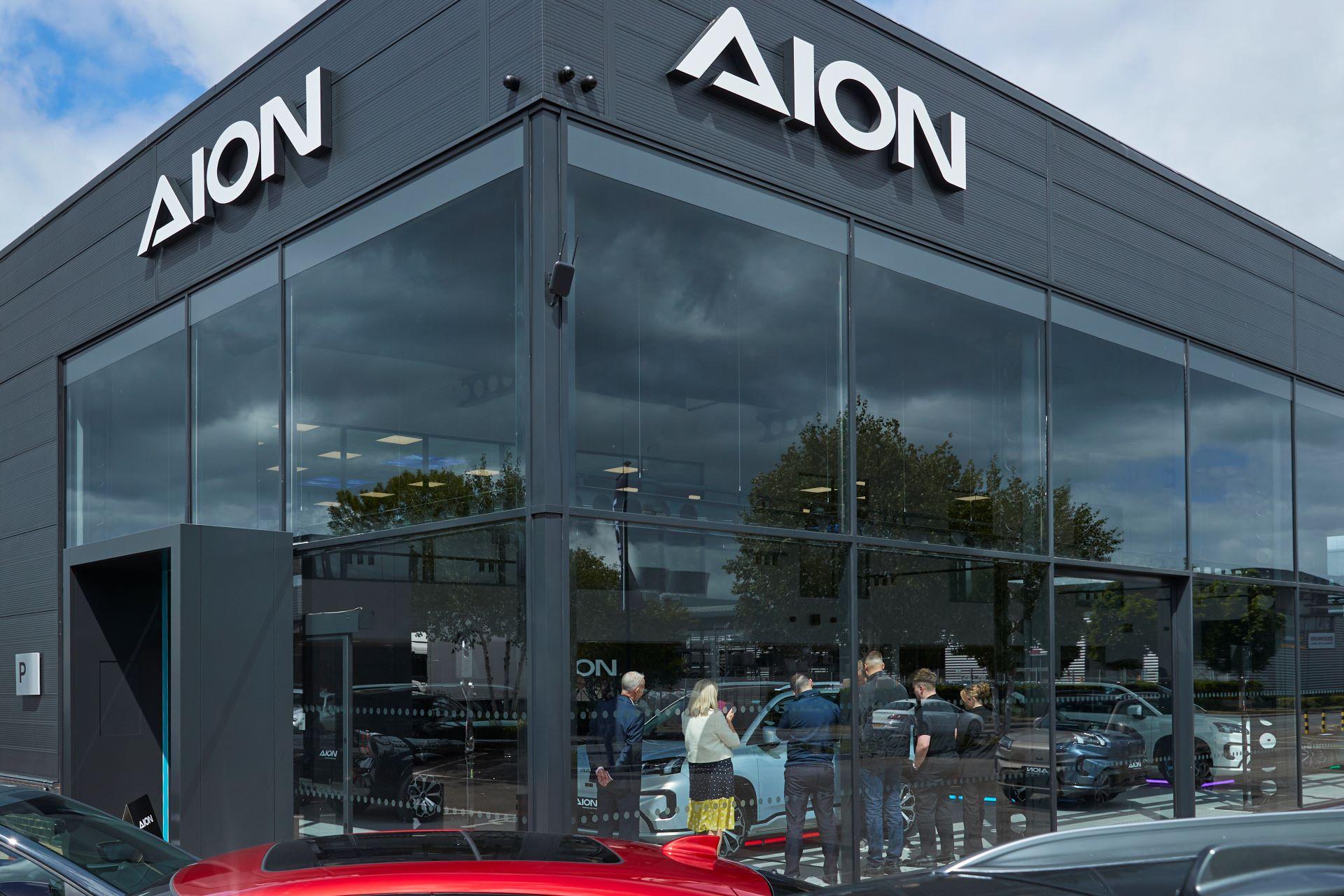



In an automotive world increasingly fascinated by disruption, there is a quieter, more grounded truth holding firm beneath the noise: the franchise dealership model is still the backbone of vehicle retail. According to insights from the National Automobile Dealers’ Association National Automobile Dealers’ Association, this long-standing system continues to outperform newer retail experiments on both efficiency and customer experience, particularly in mass-market segments like those seen in South Africa.
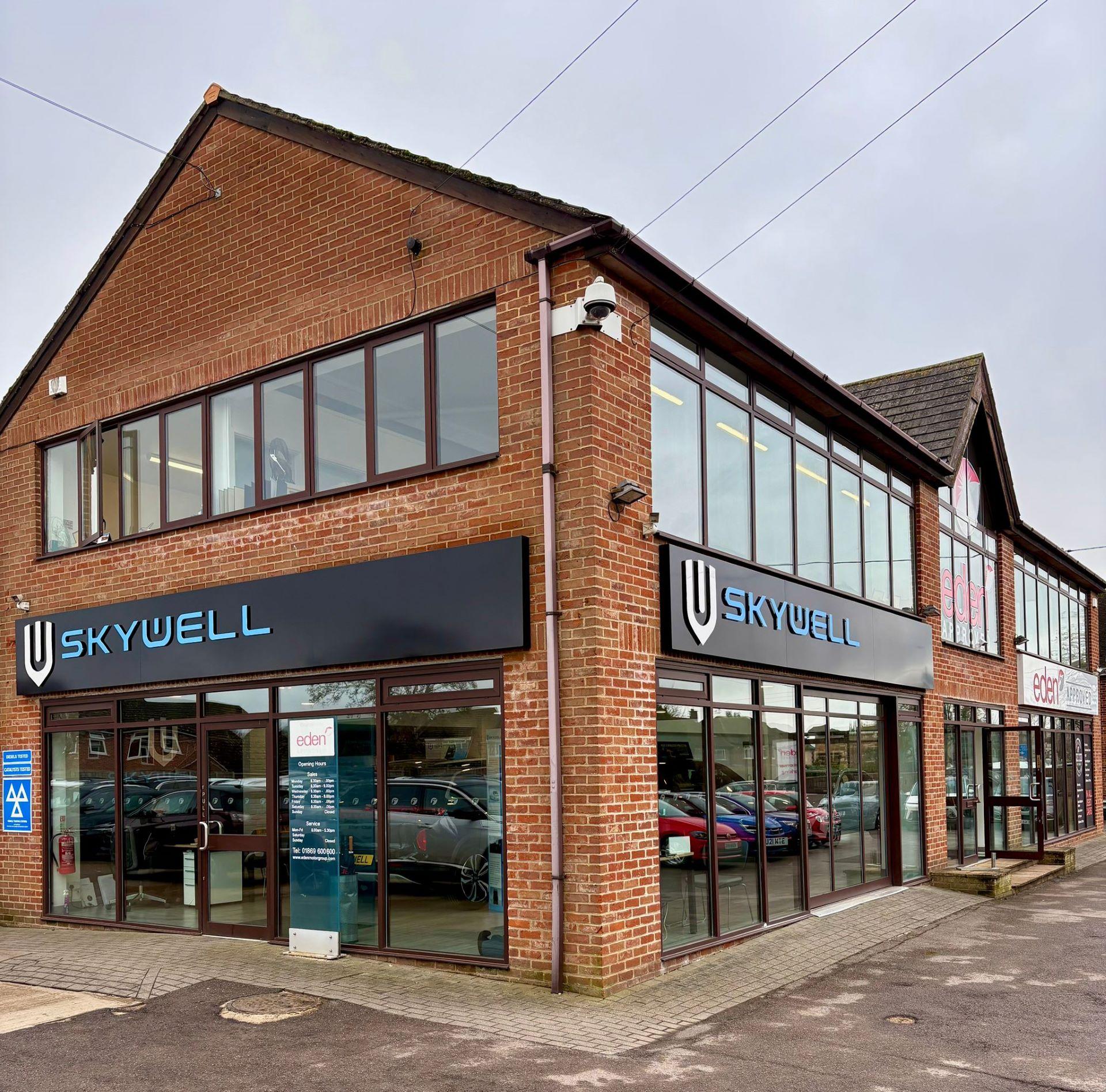
The roots of the franchise model stretch back to the early 20th century, when manufacturers needed a scalable way to sell vehicles beyond their own limited reach. By partnering with local entrepreneurs embedded in their communities, automakers unlocked a network that could do far more than just move metal off a lot. It created relationships, familiarity, and trust. In time, dealerships evolved into full lifecycle hubs for mobility, handling everything from test drives and trade-ins to servicing and long-term customer care.
That foundation still matters today. Despite the rise of digital-first car buying journeys and ongoing experiments with direct sales structures, customers continue to value continuity. They want a place where their vehicle history is known, their needs are anticipated, and their questions don’t disappear into a call centre queue. The franchise model, at its best, delivers exactly that sense of permanence in a rapidly shifting market.
Recent findings from a NADA US Study Tour highlight how this model is not just surviving but adapting. High-performing dealerships in mature markets like the United States are investing heavily in digital tools that streamline every touchpoint of the buying and ownership experience. The result is not less human interaction, but better timed and more meaningful engagement, with less friction in between.
While the industry has been closely watching the emergence of the agency model, where manufacturers retain ownership of stock and control pricing more tightly, its success appears concentrated in niche segments. Premium and luxury brands, with lower volumes and more bespoke sales processes, have found it a workable fit. However, for high-volume, mainstream automotive brands, the trade-offs are proving more complex.
The agency model was originally positioned as a way to trim distribution costs and simplify pricing structures. In practice, it has often shifted operational burdens elsewhere, while reducing the flexibility that traditional dealers bring to fast-moving local markets. Dealers absorb the realities of inventory management, customer trade-ins, and aftersales service in a way that manufacturers are typically less equipped to handle at scale.
This is where the franchise system continues to demonstrate its strength. It is built for volume, adaptability, and continuity. Dealers act not only as sellers, but as long-term custodians of the customer relationship. They are also deeply responsive to regional market dynamics, which is particularly important in diverse and price-sensitive markets like South Africa.
Perhaps the most telling insight from NADA’s findings is that customer experience has become the defining metric of success. As one industry observation notes, “Customer experience has become the new license to operate.” In a world of online configurators, AI assistants, and instant comparison tools, it is no longer enough to simply offer a product. The experience surrounding it must be seamless, fast, and reassuring.
Modern franchised dealers are responding by becoming more digitally integrated than ever before. Paperwork is being reduced, response times are shrinking, and service departments are increasingly connected to real-time data systems that keep customers informed at every stage. The goal is simple but demanding: remove friction wherever it appears.
What emerges from this evolution is not a battle between old and new models, but a recalibration of roles. Manufacturers continue to excel in design, engineering, and innovation. Dealers, meanwhile, remain essential in translating those products into real-world mobility experiences that are accessible, localised, and customer-focused.
In a market defined by constant reinvention, the franchise dealership model stands out not because it resists change, but because it absorbs it and adapts without losing its core purpose. That balance between heritage and evolution may be exactly why it continues to set the benchmark for automotive retail globally, and why it remains so deeply relevant in South Africa today.