




A growing body of evidence suggests that hay fever is no longer just a seasonal nuisance, but a genuine road safety concern. New research commissioned by Volvo Car UK reveals that nearly one in three drivers affected by hay fever (31%) have actually closed their eyes while driving due to the severity of their symptoms, highlighting how quickly discomfort can escalate into danger behind the wheel.
The survey, which included 2,000 UK drivers living with hay fever, paints a striking picture of how deeply seasonal allergies can disrupt concentration and control. Almost four in five respondents (79%) said their symptoms impact their ability to drive safely to some degree, while 13% admitted to taking both hands off the steering wheel during intense sneezing fits. In a moment where reaction time and stability matter most, even a brief lapse can carry serious consequences.
Perhaps more concerning is the proportion of drivers continuing their journeys despite severe symptoms. Nearly 13% said they have driven while significantly affected, rising to 19% among those aged 25–34. This younger group appears particularly vulnerable, with a higher likelihood of both symptom severity and risky decision-making when on the road.
The data also suggests that hay fever does not merely irritate, but actively impairs judgement and awareness. Nearly one in twenty drivers surveyed (4.9%) reported experiencing a near miss linked to their symptoms, an estimated 535,000 motorists across the UK. Drivers aged 25–44 are around five times more likely than over-65s to report such incidents, pointing to a worrying generational gap in both exposure and risk.
Seasonality plays its part too. June emerges as the peak discomfort month, with 29% of respondents identifying it as the worst period for hay fever, followed by May at 22% and July at 16%. It is a familiar summer rhythm in the UK, but one that now comes with an added safety dimension as pollen counts rise alongside traffic volumes and travel activity.
The issue is not limited to physical symptoms alone. Nearly one in five drivers (18%) reported feeling sleepy or less alert after taking hay fever medication, introducing another layer of risk. This effect is especially pronounced among younger motorists, with 34% of those aged 25–34 noting reduced alertness after treatment, compared with just 7% of drivers over 65. Combined with already compromised concentration, the result is a double pressure on cognitive performance.
Regional differences further underline the scale of the issue. London reports the highest proportion of drivers affected, with 21% saying their ability to drive safely is impacted often or constantly. More than 30% of Londoners also admitted to avoiding driving or altering travel plans due to symptoms. Meanwhile, drivers in Wales show similarly high levels of disruption, and in the North East, one in five motorists confessed to continuing to drive despite severe symptoms, the highest rate in the country.
A common yet risky behaviour also emerged from the study. Almost one in five drivers (17%) said they open their windows during hay fever flare-ups, unintentionally increasing pollen exposure inside the vehicle. In contrast to what might feel like fresh relief, this habit can intensify symptoms and reduce in-cabin comfort when it is needed most.
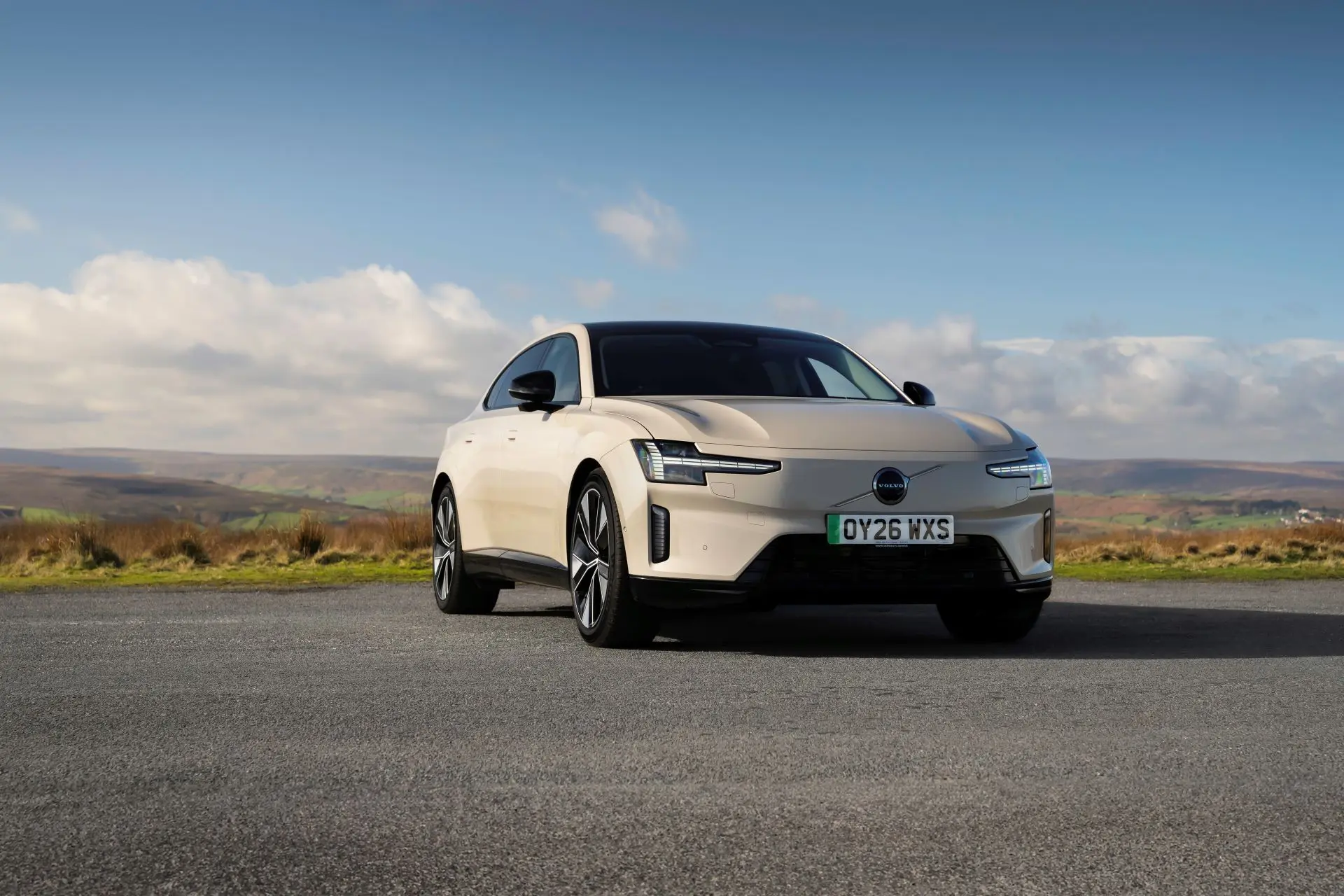
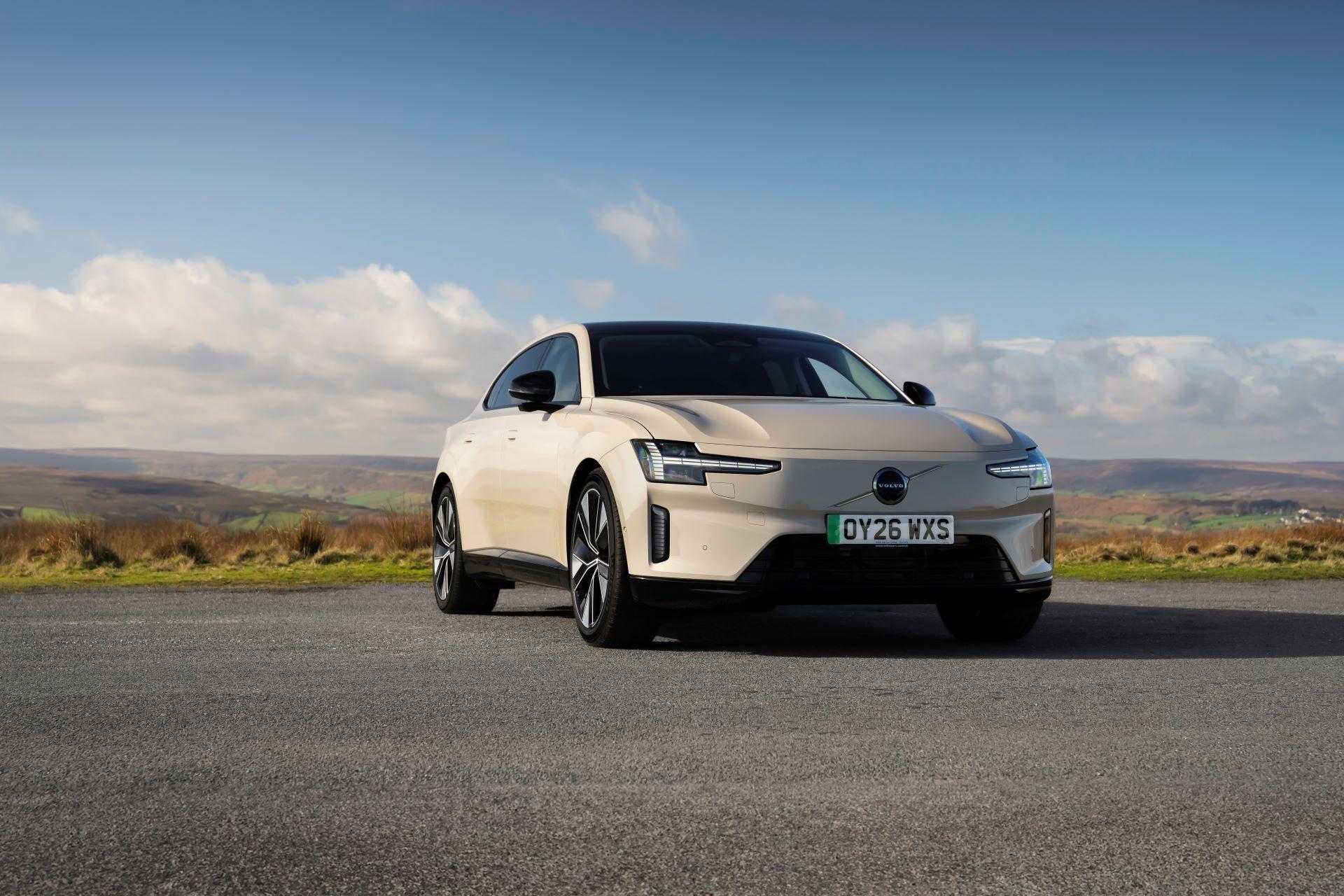
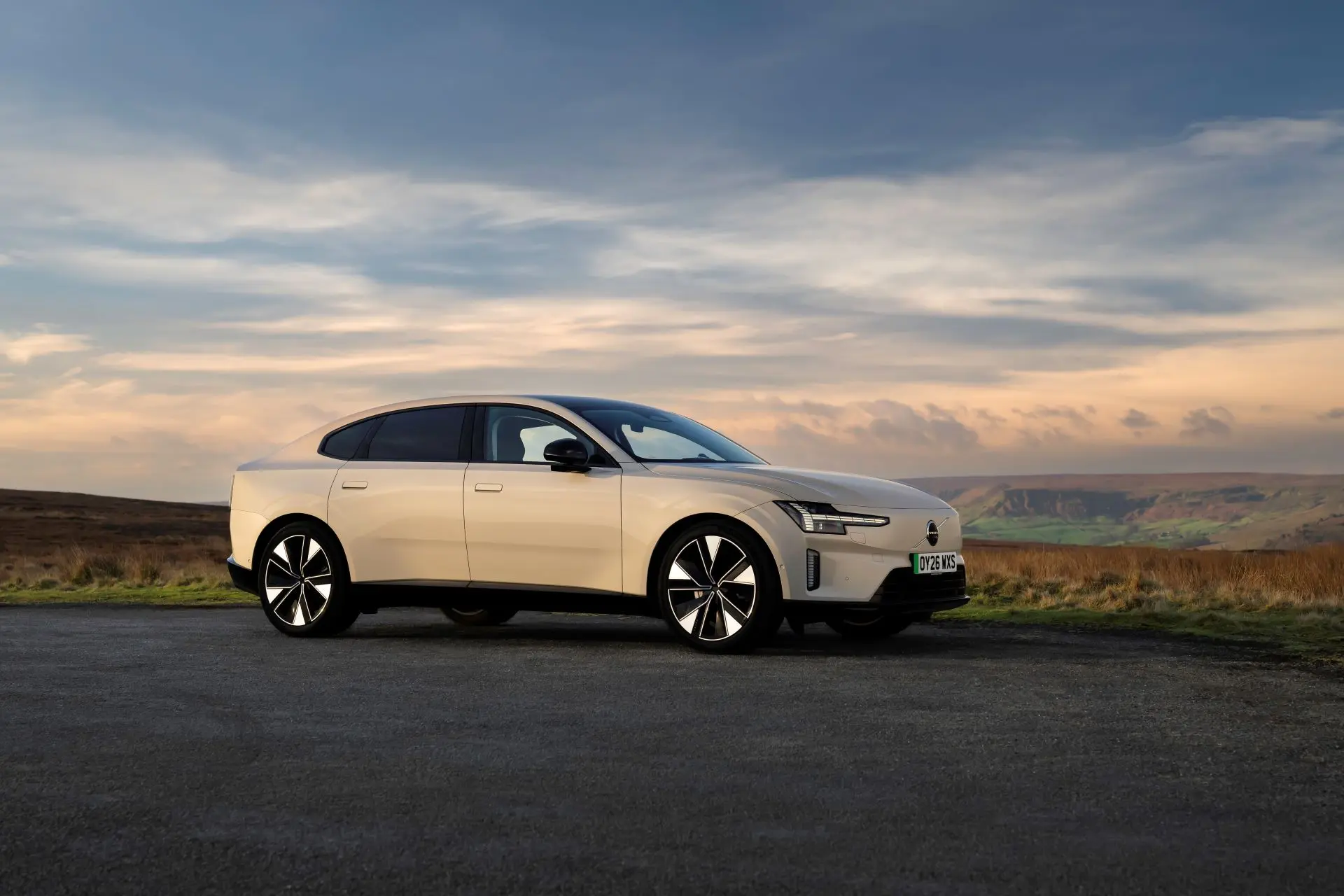
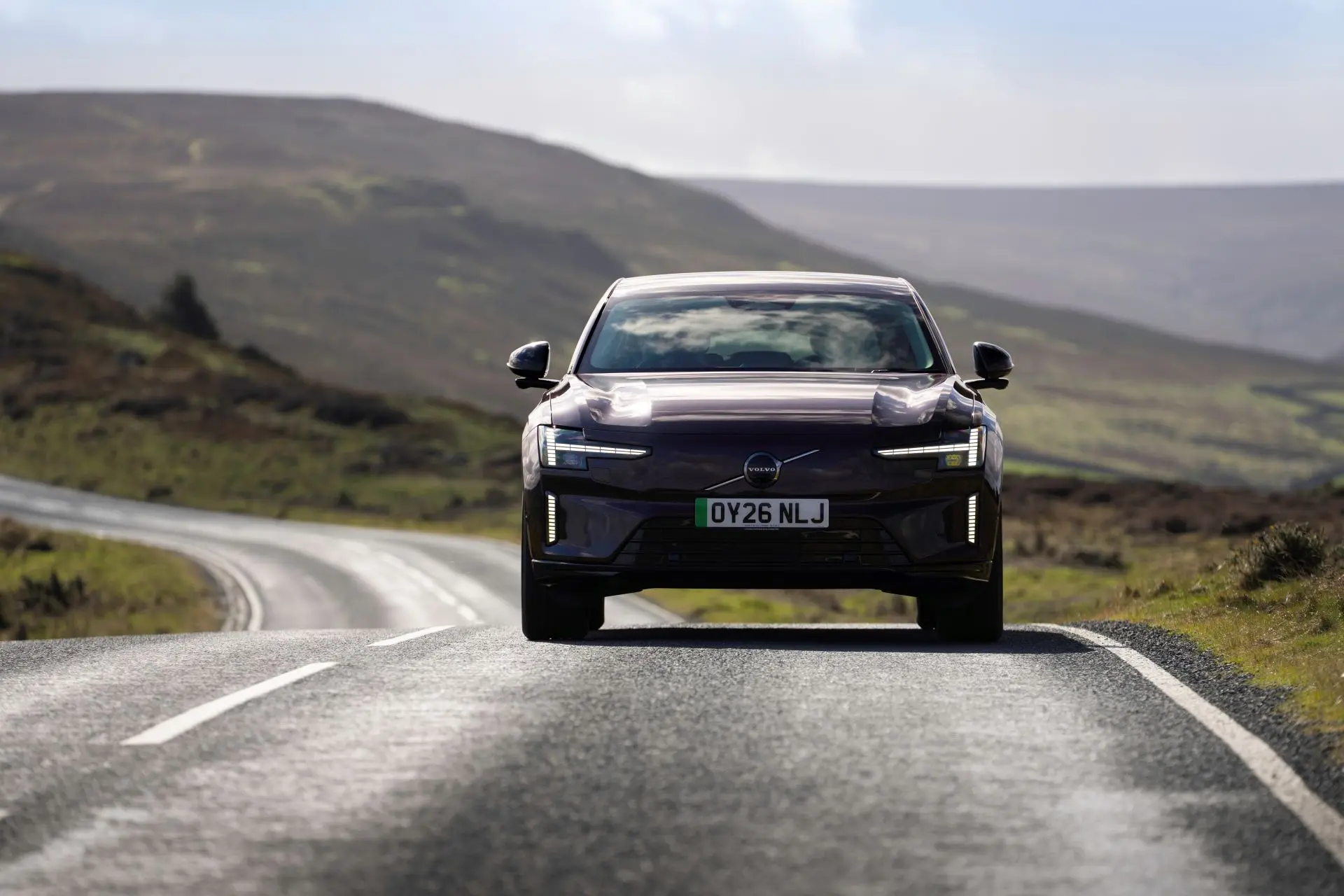
Modern vehicle technology is increasingly being positioned as part of the solution. Many newer Volvo models, including the EX90, ES90 and EX60, are equipped with advanced multi-zone climate systems and filtration technology capable of removing up to 99.9% of grass, tree and pollen allergens from cabin air. These systems are designed to maintain cleaner air inside the vehicle, helping reduce symptom triggers during travel and supporting driver focus.
Nicole Melillo Shaw, Managing Director of Volvo Car UK, emphasised that the risks are often underestimated. She noted that while many motorists view hay fever as a minor seasonal inconvenience, the findings suggest it can significantly undermine driving safety. She also highlighted the importance of preparing for peak pollen conditions and maintaining a controlled cabin environment to support comfort and awareness on the road.
As heatwaves continue to drive pollen levels higher across the UK, the intersection between seasonal health and road safety is becoming increasingly difficult to ignore. What might begin as a sneeze or watery eyes can quickly escalate into reduced control, delayed reactions, or even near misses. In this context, awareness and preparation become as essential as any mechanical safety feature, especially during the height of summer travel.