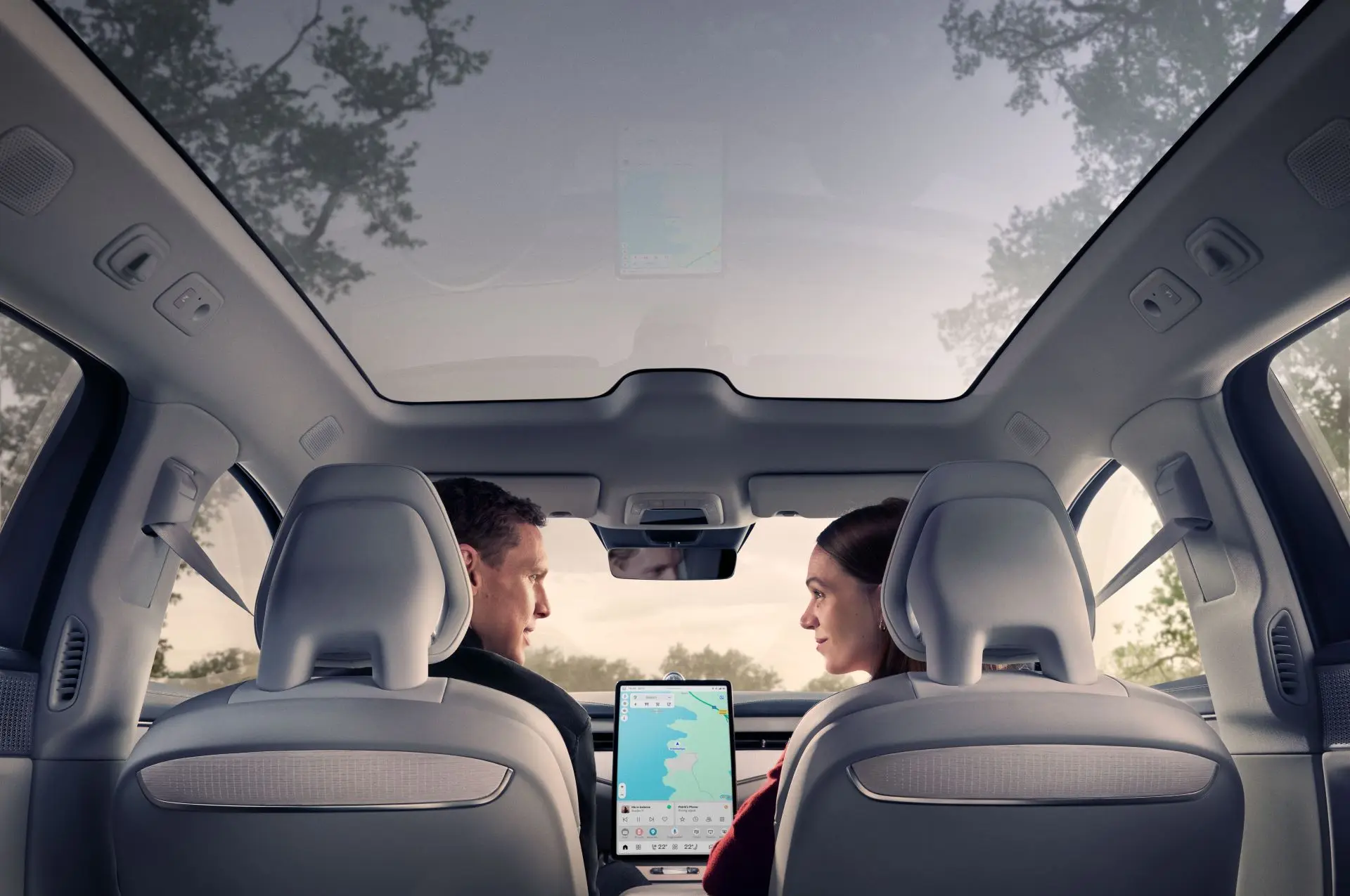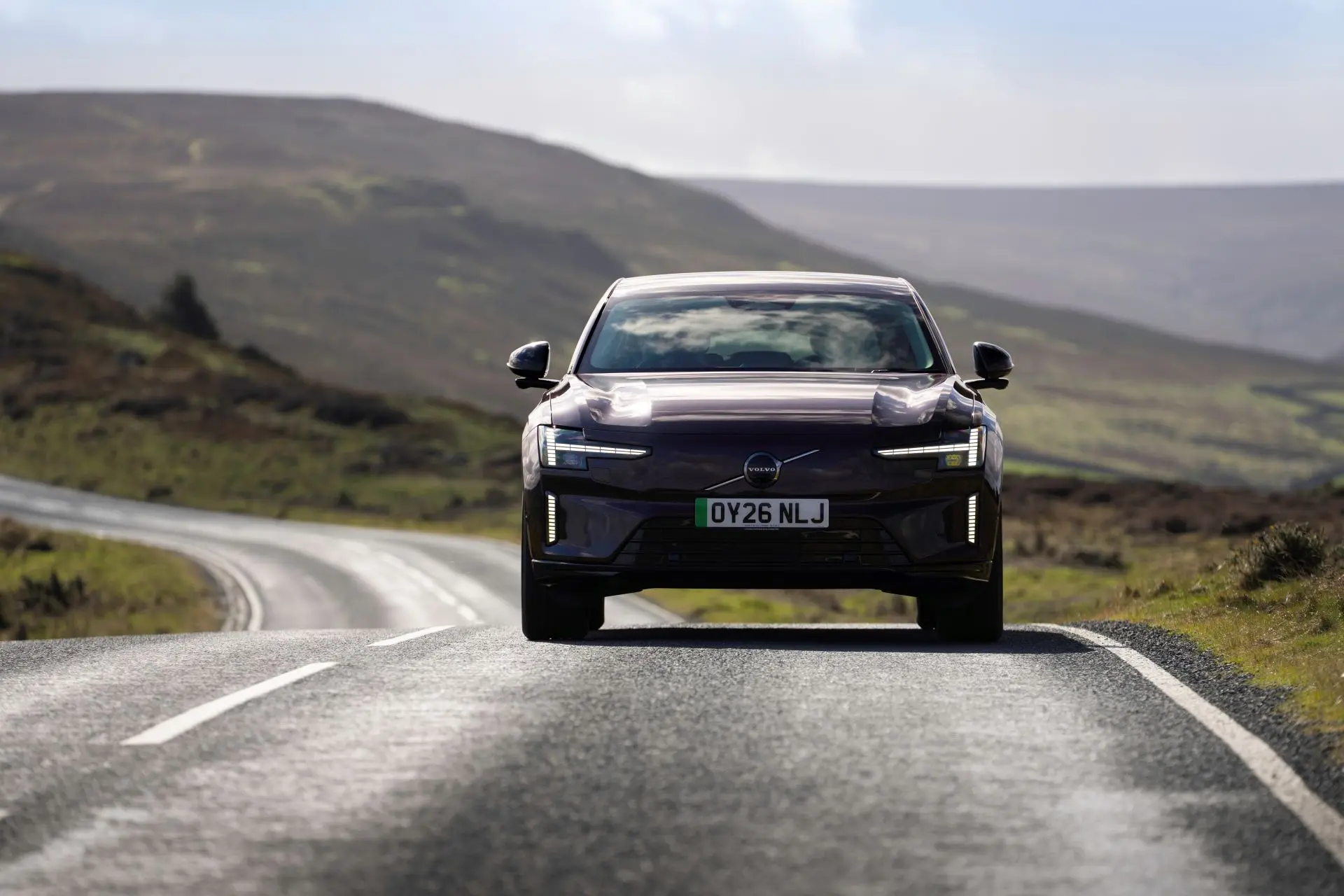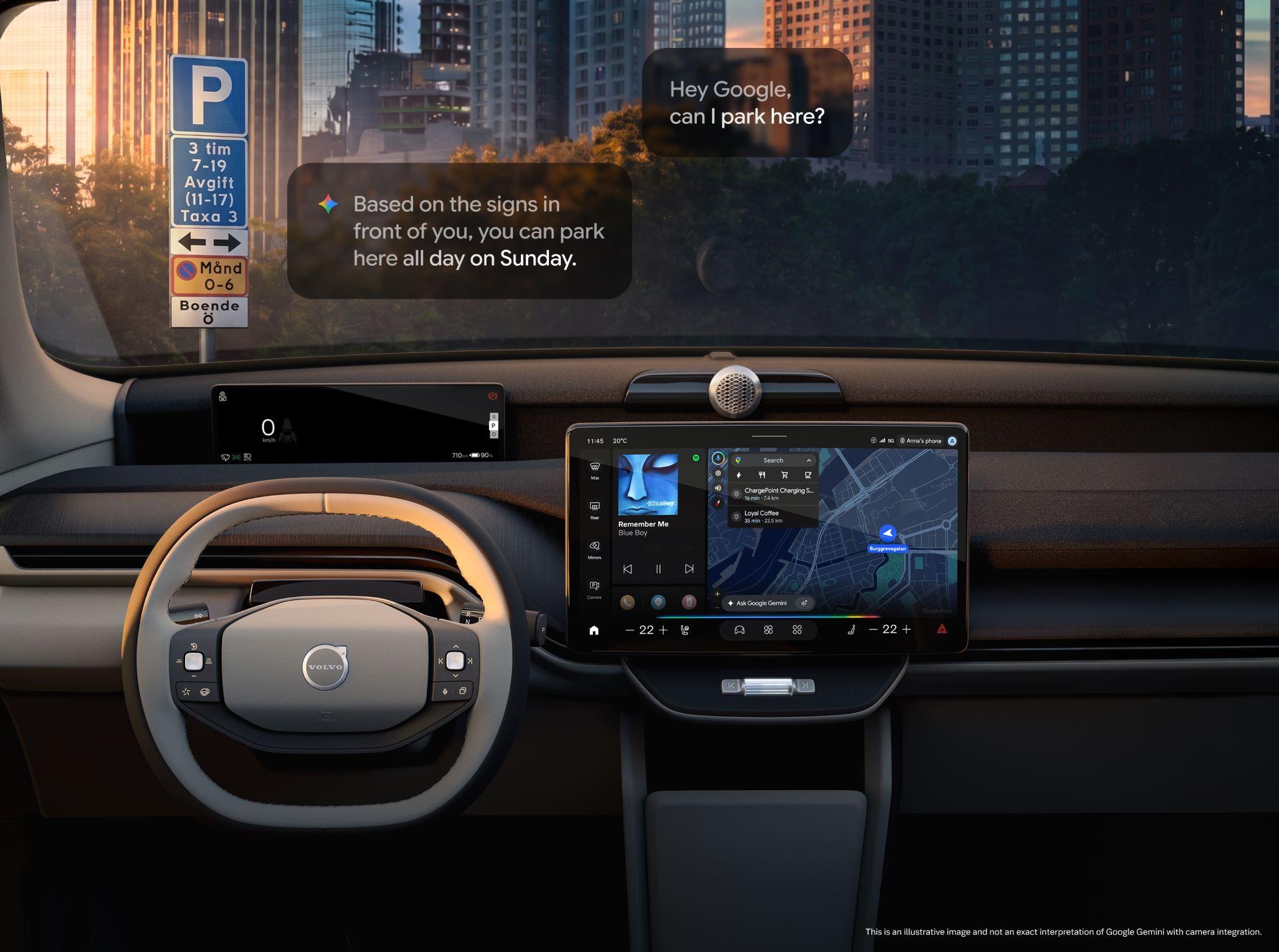



Volvo Cars and Google are ushering in a new era of in-car intelligence, marking a significant shift in how drivers interact with their vehicles. With the rollout of Google Gemini beginning in Volvo models, the familiar rhythm of fixed voice commands is giving way to something far more fluid, responsive and human-like: conversation that understands intent, context and nuance.
This transition transforms the car from a reactive tool into an intuitive travel companion. Instead of issuing rigid instructions, drivers can now speak naturally, ask follow-up questions, and refine requests in real time, much like they would in a conversation with another person. The result is an experience that feels less like operating a system and more like collaborating with it.
The rollout begins with a first wave of customers in the United States before expanding across the country and into additional markets in the weeks that follow. Volvo Cars equipped with Google built-in systems dating back to 2020 will be among the first to receive this upgrade, extending the experience across a wide range of models including the C40, XC40, XC60, XC90, S60, V60, V90, S90, EX30, EX40, EX60, EX90, ES90 and EC40.
At the core of Google Gemini’s integration is its ability to interpret natural language with a deeper understanding of intent. A simple request such as planning a trip becomes an open-ended exploration. A driver might ask for help brainstorming a warm, adventurous family holiday without a long flight, and the system responds not only with suggestions, but with the ability to refine those ideas through conversation, surfacing activities, destinations and details that match evolving preferences.
Navigation becomes equally dynamic. A driver looking for a spontaneous stop might ask for a place along their route that serves croissants, then follow up by checking reviews or parking availability before making a decision. Instead of switching between apps or manually searching, the entire process unfolds seamlessly through dialogue, with Google Maps working in the background to support real-time discovery.
Communication inside the car also becomes more intelligent and less disruptive. Messages can be composed, translated and adjusted on the fly, such as instructing the system to tell a contact about a delay while automatically adapting the language to suit the recipient. If plans change mid-journey, updates can be made without restarting the entire interaction, keeping attention focused on the road.
Entertainment and media control take on a more expressive form as well. Rather than selecting rigid playlists or predefined categories, drivers can simply express a mood. A request for something calming prompts the system to curate audio that aligns with the atmosphere of the moment, blending streaming intelligence with situational awareness to shape the in-car environment.
Behind this evolution lies a deeper collaboration between Volvo Cars and Google. In 2025, Google selected Volvo as a lead development partner for new in-car technologies, giving the Swedish automaker a direct role in shaping how AI systems like Gemini are adapted for real-world driving. This partnership reflects a shared goal of building technology that supports the driver without overwhelming them, prioritising clarity, safety and ease of use.
As Alwin Bakkenes, Head of Global Software Engineering at Volvo Cars, notes, the focus is on human-centric technology that adapts to people rather than requiring people to adapt to it. Google’s Patrick Brady, Vice President of Android for Cars, echoes this sentiment, highlighting how Gemini is designed to reduce complexity while helping drivers stay focused on what matters most.
The rollout is also part of a broader software-driven transformation at Volvo Cars. Through over-the-air updates, the company continues to enhance vehicles already on the road, including one of its most comprehensive infotainment updates to date, which introduced the Volvo Car UX system designed to create a more intuitive digital environment across its global fleet.
For drivers, this moment represents more than a software upgrade. It signals a shift in the relationship between human and machine inside the vehicle cabin. The car is no longer just a means of transport with voice controls attached. It is becoming an adaptive companion capable of understanding intent, anticipating needs and simplifying complexity through conversation.
As Google Gemini begins its rollout across Volvo models, the road ahead looks less like a sequence of commands and more like a continuous dialogue, where every journey becomes easier, more personal and subtly more intelligent.