


“2035 is a more realistic target for consumers to switch to net zero vehicles and will allow the industry to meet the challenge, but achieving this target is made harder by the current singular focus on EVs as there is a real risk that that we will fail and that it will be more expensive for consumers, with the whole industry competing for finite resources such as the lithium crucial for batteries. EVs are an important part of the mix, but we believe betting only on one technology will limit options and stifle innovation. There is a mix of solutions for the widescale energy transition required to achieve net zero, and with cars it will be the same. We need support for other technologies such as hydrogen and alternative fuels in the same way these alternatives are being supported by other countries.
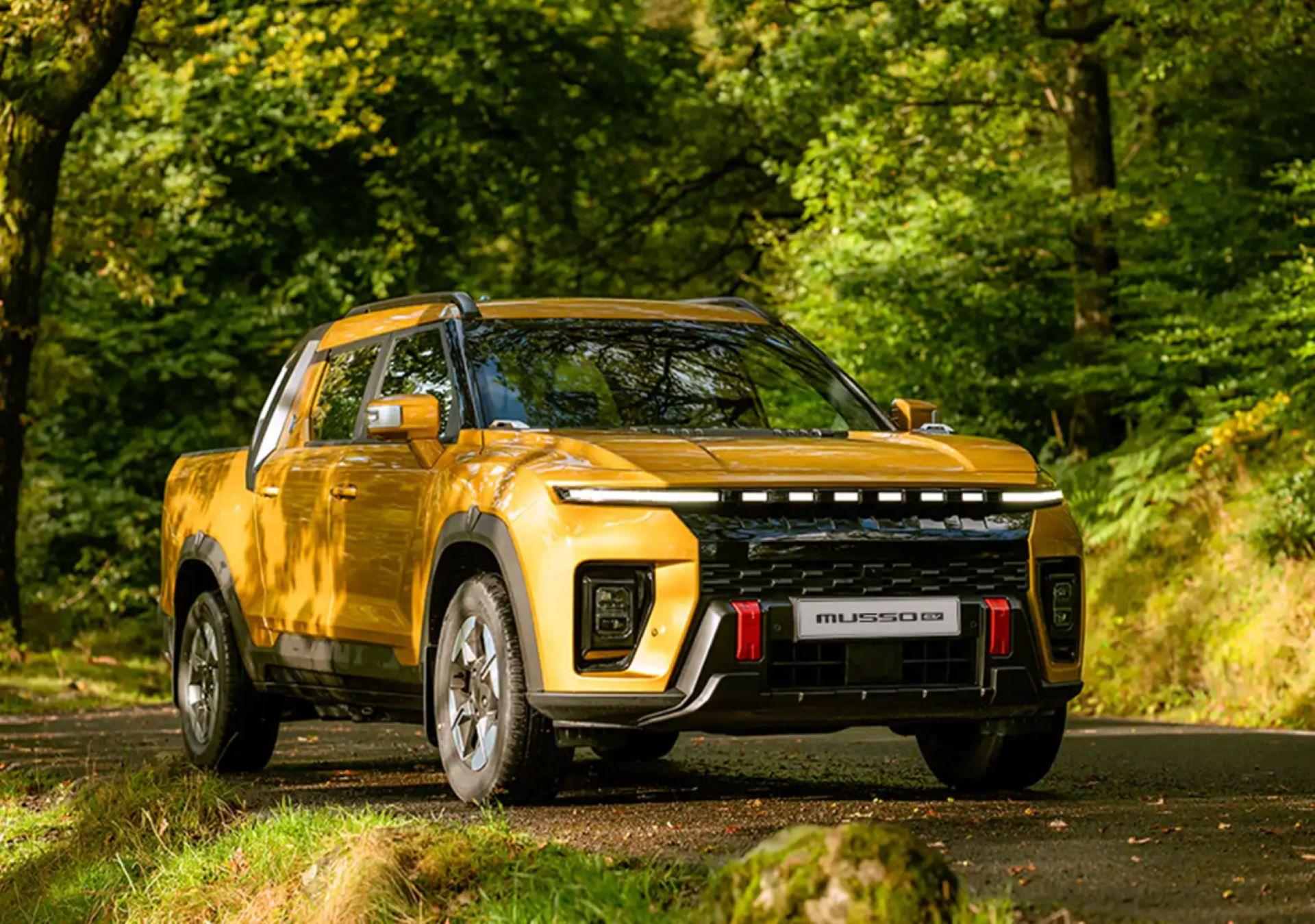
We will launch an all-electric 4X4 in 2026 but have also invested in the development of a fuel cell hydrogen demonstrator version of the Grenadier which proves that the technology is capable. So, we need support from policy makers to help provide the infrastructure for the next generation of hydrogen vehicles as well as for EVs.”