


Kia has once again cemented its place among the automotive industry’s design heavyweights after securing major honours at the 2026 Red Dot Award: Product Design competition. The brand’s new EV4 claimed the coveted ‘Best of the Best’ distinction, while the PV5 earned a ‘Winner’ award, reinforcing Kia’s growing reputation for bold and user-focused mobility solutions.
The recognition also extended beyond traditional vehicles, with Hyundai Motor Group’s MobED mobile robot platform receiving a ‘Winner’ award for its innovative design and practical adaptability.
For Kia, the latest accolades represent another milestone in the company’s ongoing design evolution under its ‘Opposites United’ philosophy. The approach has become a defining element of Kia’s modern identity, shaping vehicles that blend emotional appeal with practical usability.
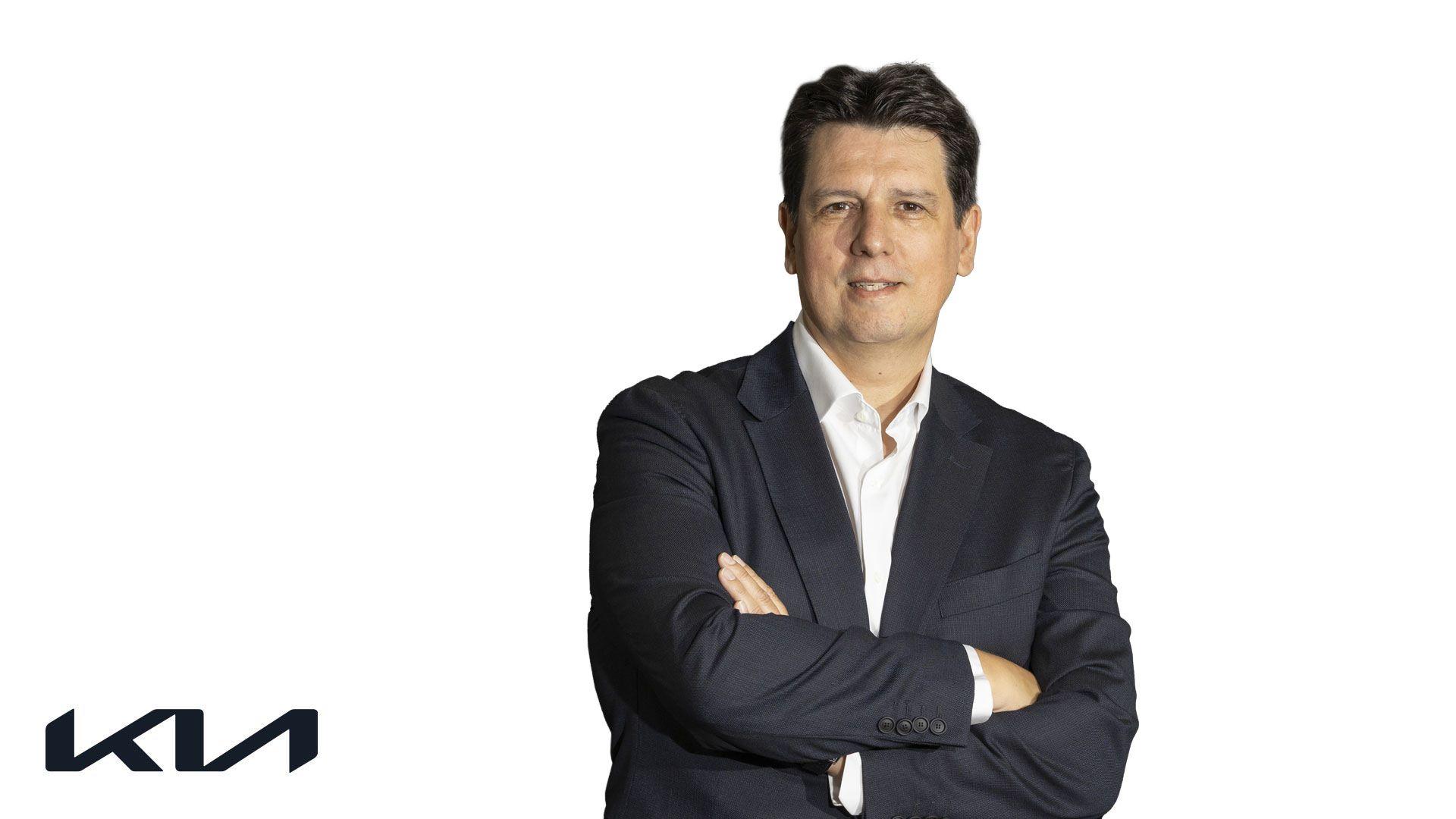
Karim Habib, Executive Vice President and Head of Kia Global Design, said the awards reflect the company’s commitment to creating meaningful mobility experiences that remain intuitive and relevant for customers.
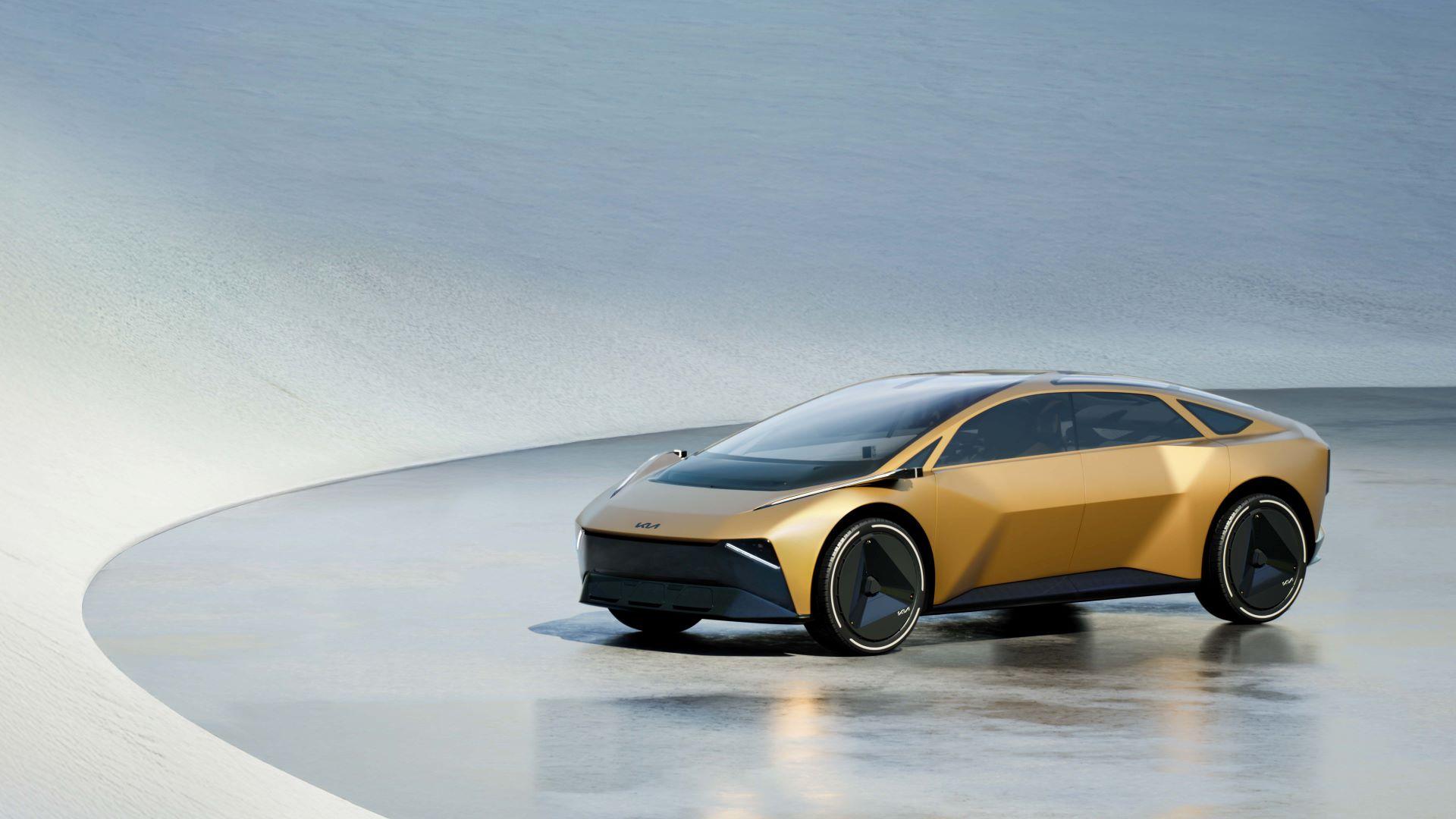
The EV4’s success marks another significant moment in Kia’s electric vehicle journey. The model was recognised for challenging the conventions of the traditional saloon segment through a dramatic fastback-inspired silhouette and progressive proportions. Rather than following established sedan design formulas, the EV4 introduces a more expressive and unconventional interpretation of the segment.
Its hatchback variant further broadens the vehicle’s appeal, combining compact dimensions with enhanced practicality aimed particularly at European buyers. The result is a vehicle that balances striking visual identity with everyday functionality, a combination that clearly resonated with the Red Dot jury.
The award continues Kia’s remarkable run at the competition. Previous ‘Best of the Best’ winners from the brand include the EV6 in 2022, the EV9 in 2024 and the EV3 in 2025. With the EV4 now joining that list, Kia has established an impressive streak of design recognition across its expanding electric vehicle lineup.
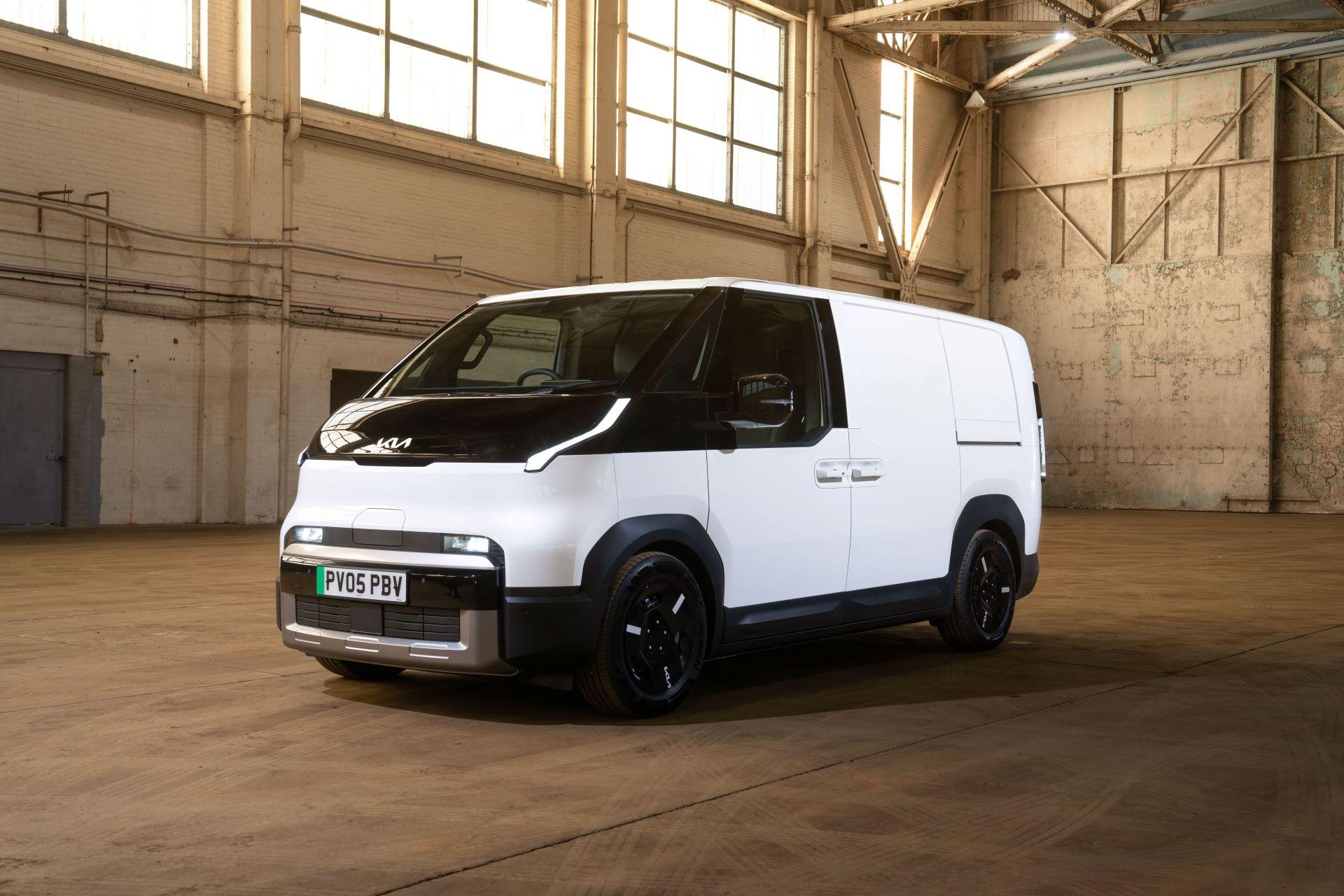
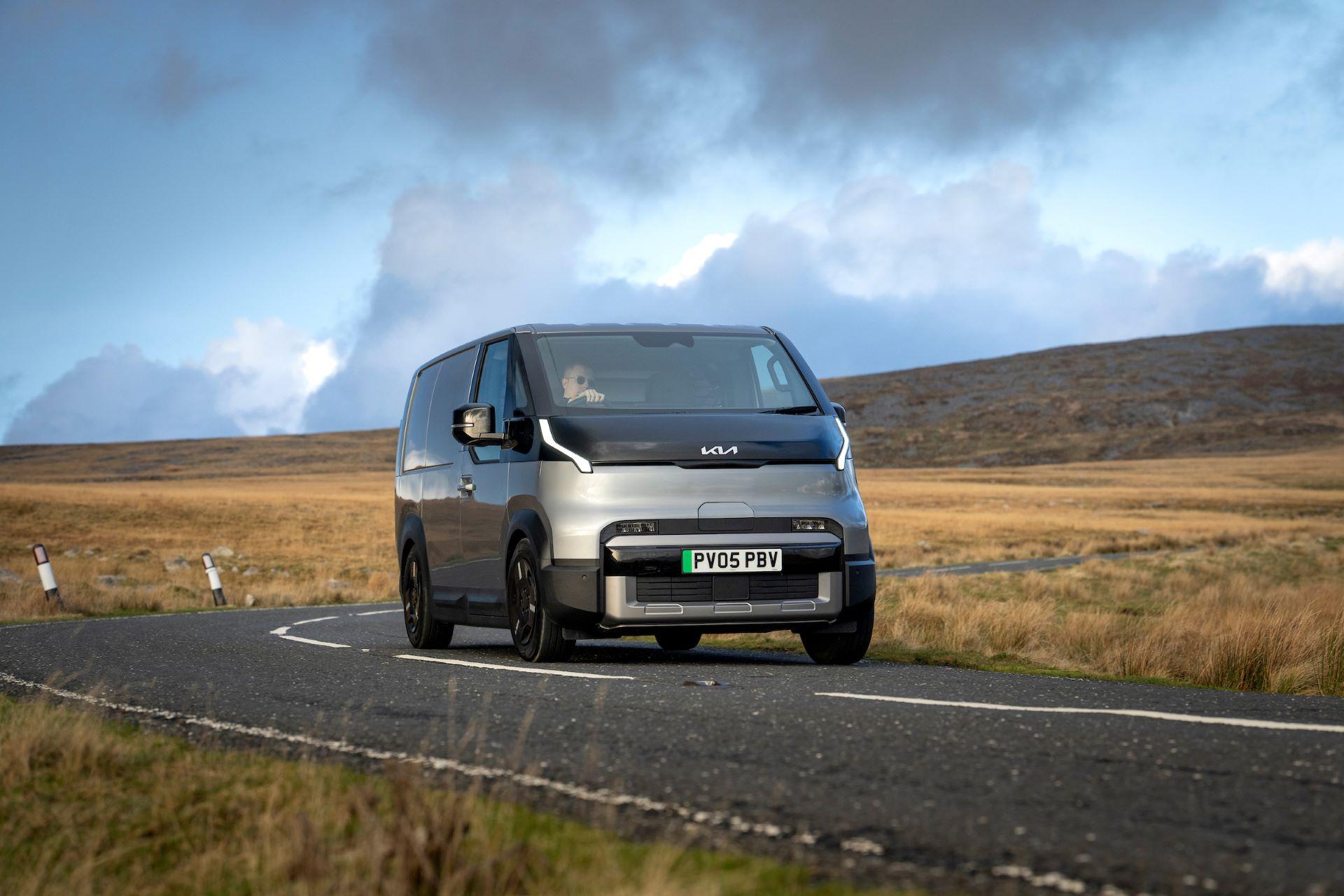
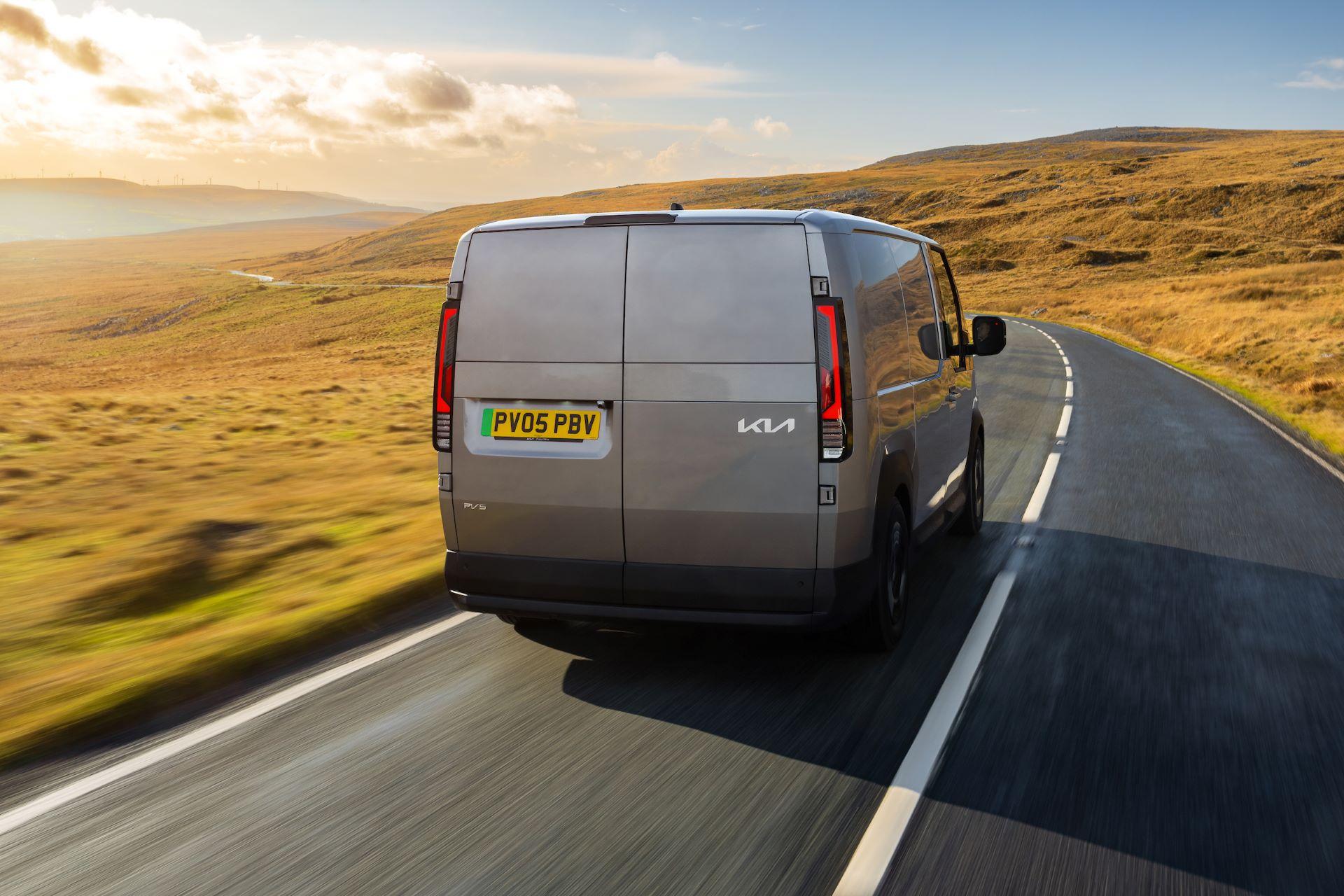
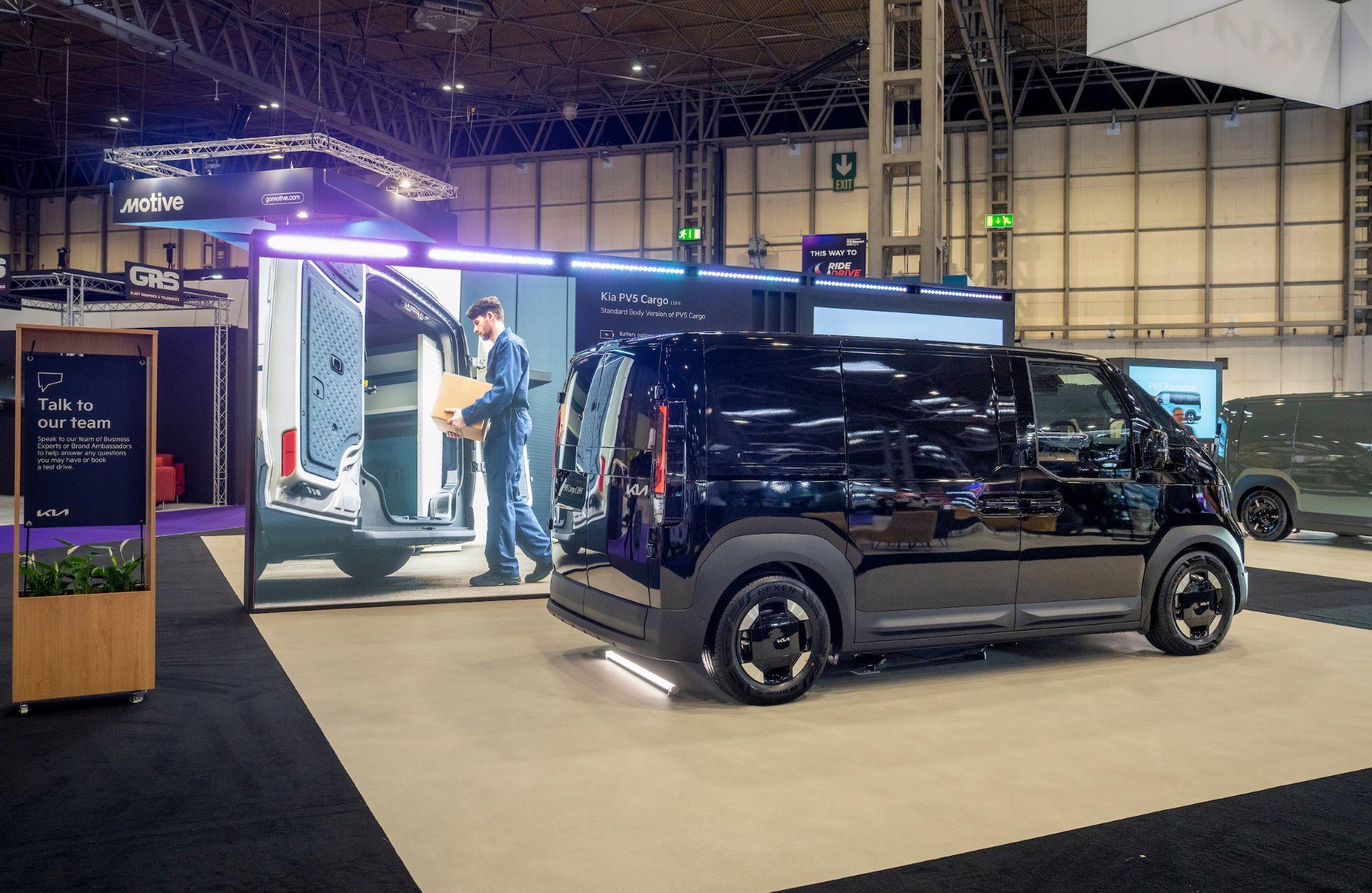
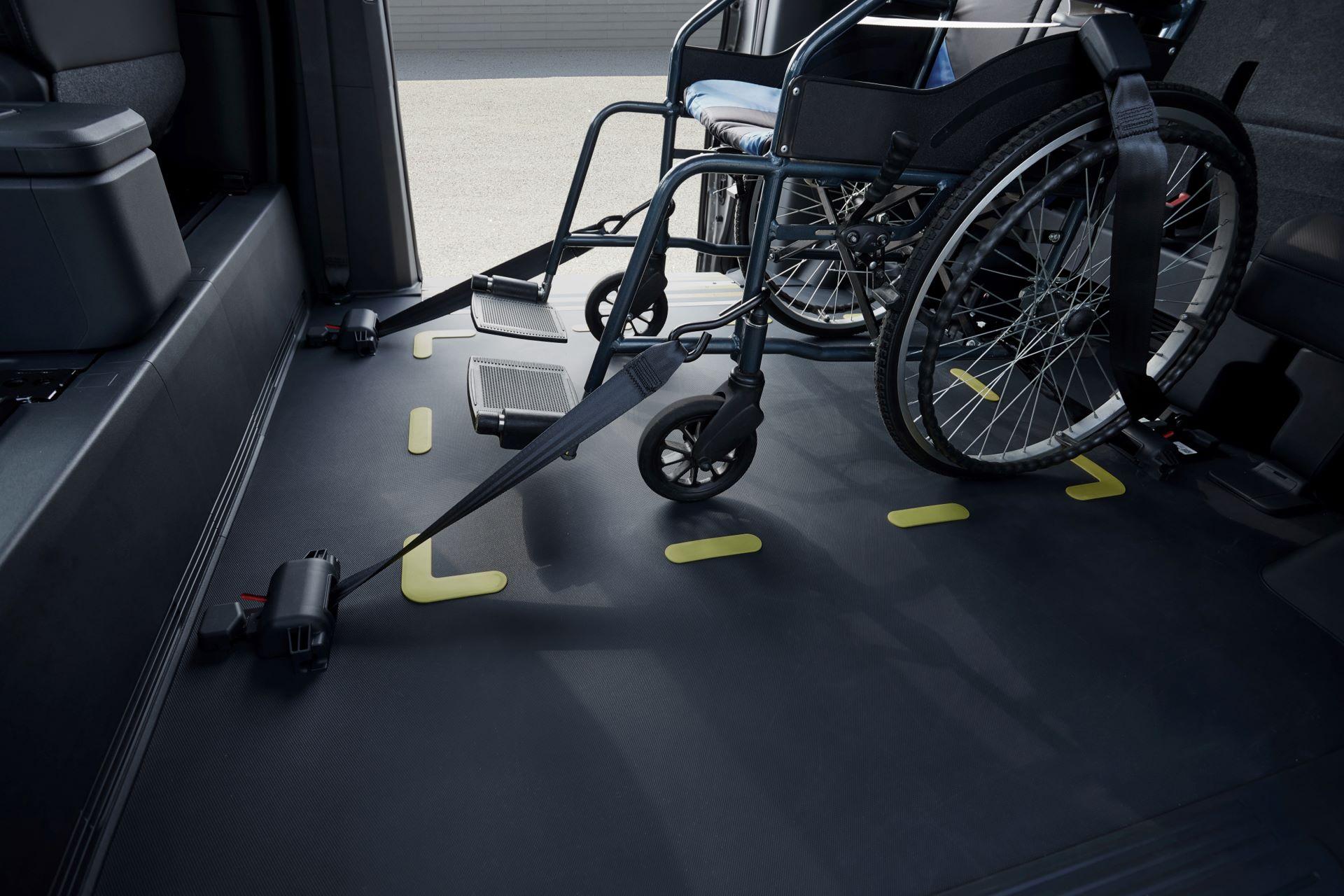
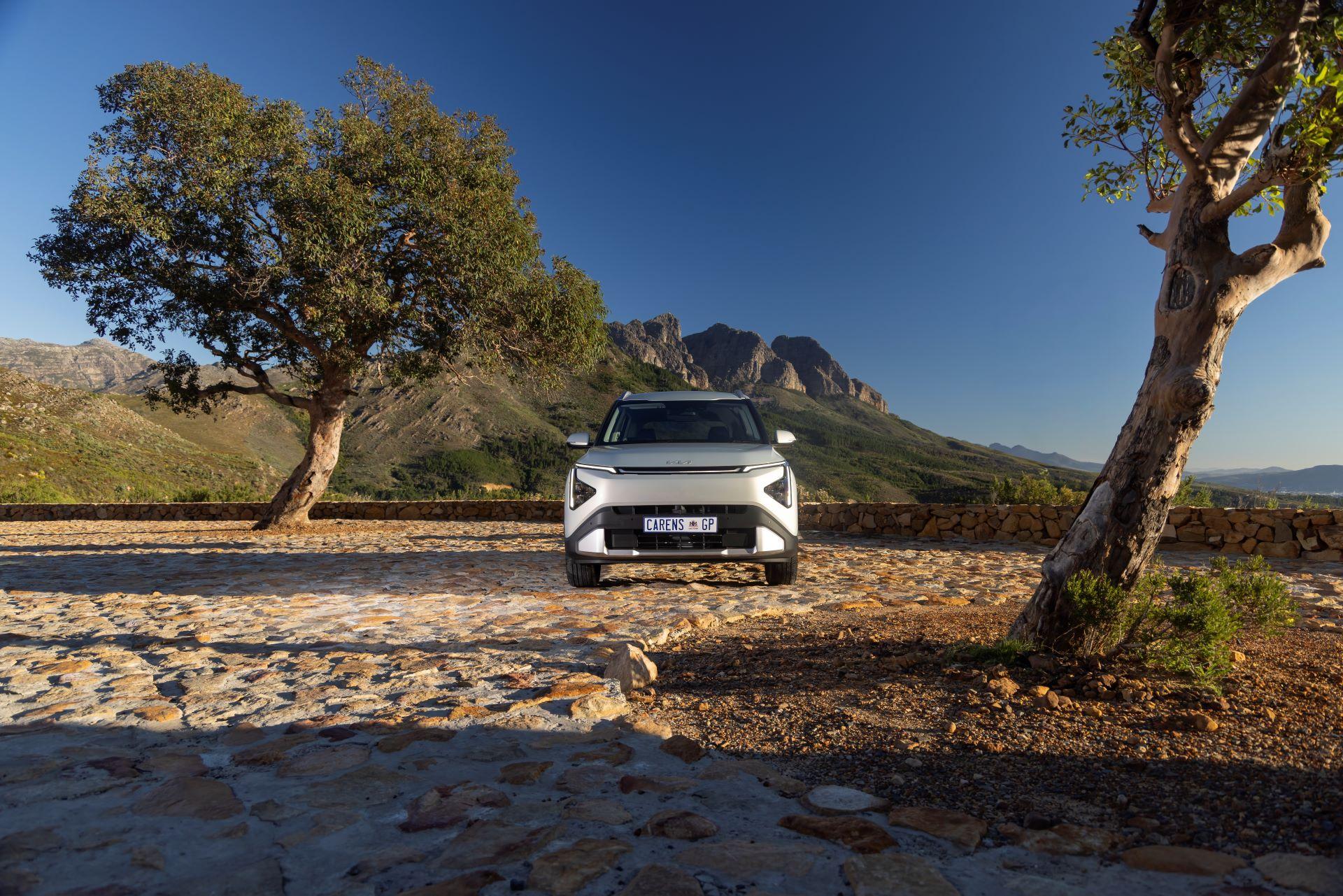
Alongside the EV4, the Kia PV5 was honoured with a ‘Winner’ award for its contribution to the brand’s Platform Beyond Vehicle strategy. The PV5 demonstrates Kia’s modular approach to future mobility, using a shared front-end architecture combined with interchangeable rear body sections tailored for different use cases.
The lineup includes Passenger, Cargo, Crew and Wheelchair Accessible Vehicle derivatives, each designed to maximise practicality while maintaining a cohesive design language. The flexible structure allows the PV5 to adapt across commercial and personal mobility applications without sacrificing visual consistency.
The recognition adds to the PV5’s growing collection of accolades after it also secured Gold at the 2026 iF Design Awards earlier this year.
Hyundai Motor Group’s Robotics LAB also drew attention at the awards through MobED, short for Mobile Eccentric Droid. Designed as an adaptable robotic mobility platform, MobED combines advanced engineering with a distinctly approachable design language.
Built around proprietary Drive and Lift technology and an Eccentric Wheel mechanism, the platform can navigate uneven terrain, inclines and obstacles with remarkable stability. Its AI-assisted control systems further enhance adaptability across a wide variety of environments.
Originally revealed as a concept at CES 2022 before entering production in 2025, MobED represents Hyundai Motor Group’s broader vision for mobility beyond conventional vehicles. The robot platform was recognised for successfully combining functional design with real-world usability in human-centred spaces.
Established in 1955, the Red Dot Award remains one of the world’s most prestigious design competitions. Organised by Germany’s Design Zentrum Nordrhein Westfalen, the awards celebrate excellence in product design, communication design and design concepts, with entries judged on innovation, functionality and overall quality.
For Kia and Hyundai Motor Group, this year’s results underline how design has become increasingly central to the future of mobility. Whether through electric vehicles, modular transport platforms or intelligent robotics, the focus is shifting toward solutions that merge technology, practicality and emotional connection into a single cohesive experience.