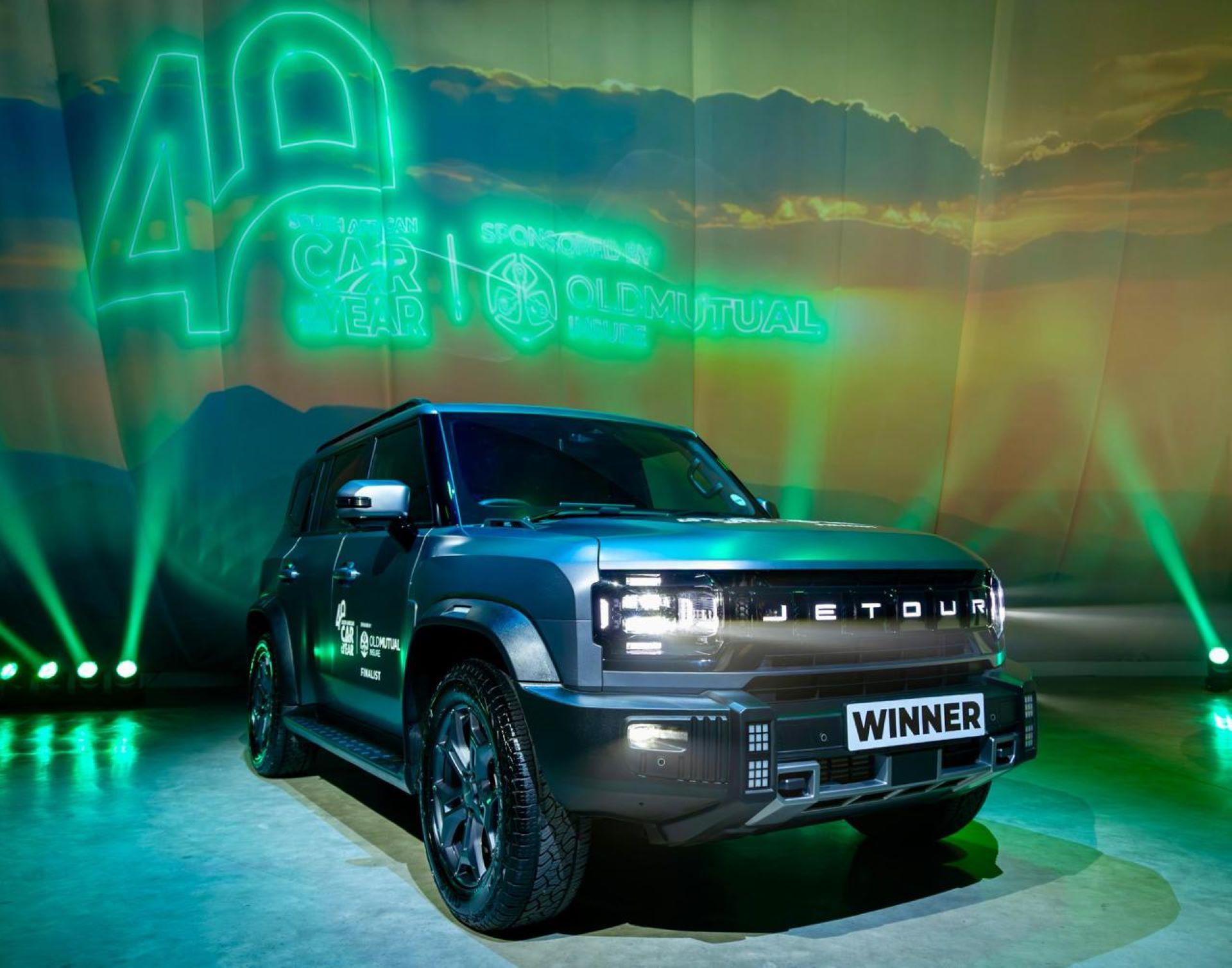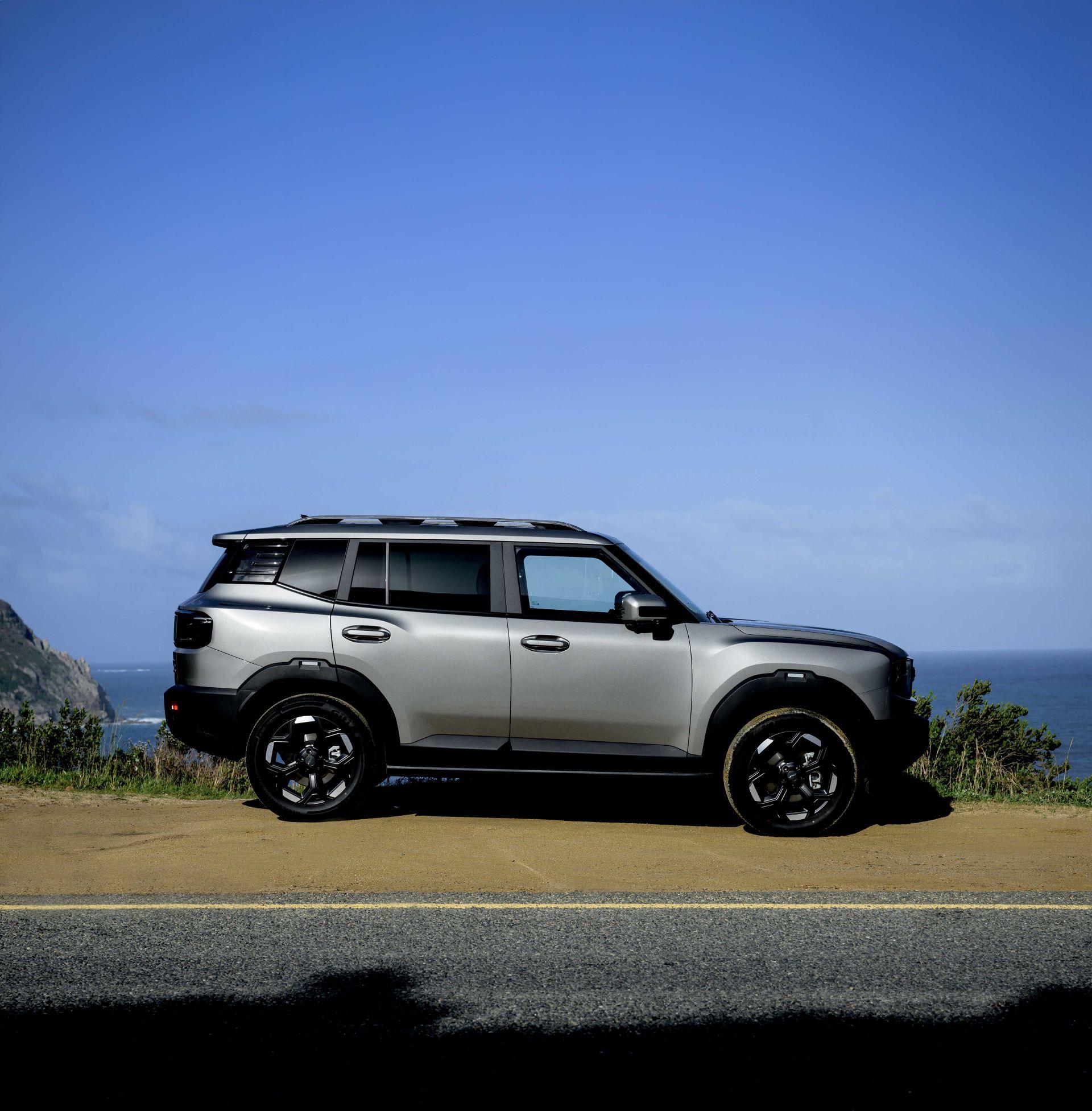



Jetour has set its sights firmly on South Africa’s manufacturing landscape, announcing plans to begin local vehicle production from 2027. The news, delivered by Jetour International President Mr Ke Chuandeng at Auto China 2026 in Beijing, signals a meaningful shift not only for the brand, but for the broader trajectory of South Africa’s automotive industry.
Against the buzzing backdrop of the Beijing International Automotive Exhibition, one of the world’s most influential motoring showcases, the announcement lands with weight. It reflects a growing confidence among global automakers in South Africa as a viable production hub, while reinforcing the country’s evolving role in international supply chains.
Although Jetour and Chery operate as distinct brands within the South African market, their shared DNA at a global level makes this move feel less like a leap and more like a carefully plotted next step. Chery’s recent acquisition of Nissan’s Rosslyn manufacturing plant has already set the stage for this transition. With the facility now under its control, Chery South Africa is shifting from importer to manufacturer, targeting an annual output of 50 000 units by mid-2027 and the creation of more than 3 000 jobs across production and supply networks.
For Jetour, the implications are immediate and tangible. The brand’s increasingly popular T-Series, introduced locally just over a year ago, will form part of the Rosslyn production line. The T1 and T2 models have already exceeded initial expectations, with more than 4 500 units sold in South Africa since launch. Local assembly promises to accelerate availability, strengthen pricing competitiveness and deepen the brand’s roots in the market.
This momentum arrives at a time when the global automotive conversation is shifting decisively. At Auto China 2026, the spotlight is no longer shared evenly between traditional combustion engines and emerging technologies. Electrification, hybridisation and intelligent mobility systems have taken centre stage, redefining what it means to be competitive in a rapidly transforming industry.
Jetour appears well aware of this pivot. Its recent introduction of plug-in hybrid derivatives, the T1 and T2 iDM models, into the South African market suggests a brand aligning itself with both global trends and local demand. These models are not positioned as experimental outliers, but as integral components of a broader, future-focused portfolio.
The scale of Auto China itself underscores the magnitude of these developments. Spanning an immense 380 000 square metres across two exhibition venues, this year’s event hosts more than 1 450 vehicles, including over 180 global debuts and dozens of concept models. It is a reminder that the automotive industry is no longer evolving in increments, but in sweeping, interconnected waves.
For Jetour South Africa, the move into local production represents more than operational expansion. It is a declaration of intent. As Vice President Nic Campbell noted, the decision positions South Africa as a key player in Jetour’s global ambitions, while highlighting the growing influence of Chinese automotive brands in the region.
In just 18 months, Jetour has transitioned from a newcomer to a brand with tangible market traction, a diversified product line-up and now, a manufacturing roadmap rooted in local soil. With further model introductions and upgrades already on the horizon, the next chapter looks set to be defined not by arrival, but by acceleration.