


Cannes has always had a talent for turning motion into meaning, where cinema spills beyond the screen and into the rhythm of the streets. This year, that rhythm is quietly electrified. Once again, BMW returns as the official mobility partner of the Cannes Film Festival, orchestrating a moving showcase of luxury, innovation and cultural presence along the Côte d’Azur.
Now in its fifth year supporting the festival, BMW arrives with more than 150 electrified vehicles forming an exclusive shuttle fleet that threads through Cannes like a silent procession of modern design. The lineup includes fully electric models such as the BMW i7 and BMW iX, alongside the BMW XM plug-in hybrid, each one serving a dual role: effortless transport for guests and a statement of intent about where premium mobility is heading. In a city defined by glamour, BMW’s presence is less about arrival and more about atmosphere, shaping how the festival itself feels in motion.
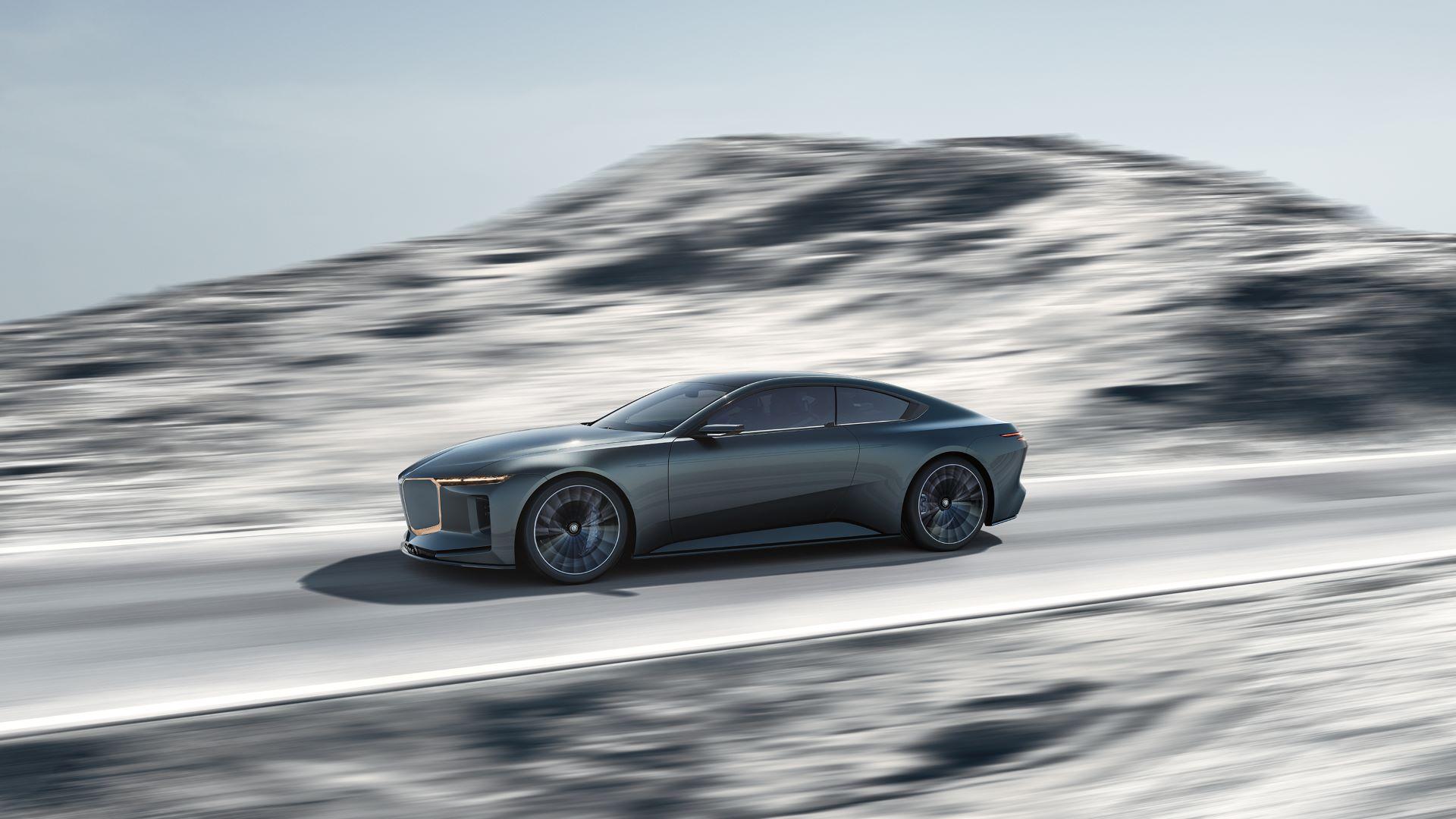
At the heart of this year’s showcase is the European public debut of the updated BMW 7 Series. Positioned as the brand’s flagship, it arrives in Cannes not as a quiet refresh but as a technological declaration. Its design language leans into monolithic surfaces and precision detailing, from the illuminated BMW kidney Iconic Glow to crystal-inspired headlights that catch the Riviera light like sculpted glass. One of its most striking introductions is the BMW Individual Dual-Finish paintwork, where matte and metallic surfaces coexist seamlessly without visible transition, almost as if two materials have learned to agree.
Inside, the 7 Series feels less like a cabin and more like a curated environment. The BMW Panoramic iDrive display and Neue Klasse-inspired operating system anchor the digital experience, while the BMW Theatre Screen and immersive lighting concept transform rear-seat travel into something closer to private cinema. It is a fitting coincidence for Cannes, where storytelling is the currency and every journey already feels like a scene in progress.
Beyond aesthetics, the new 7 Series signals a deeper engineering shift. BMW’s so-called “equitable drive-type approach” is fully visible here, with powertrains spanning efficient combustion engines with mild-hybrid technology, plug-in hybrids, and fully electric variants capable of more than 720 kilometres of WLTP range. Underpinning this flexibility is sixth-generation BMW eDrive technology with cylindrical cell architecture, a reminder that electrification at BMW is not a single lane but a widening highway.
Technology in the 7 Series extends into intelligence and assistance systems as well. With BMW Symbiotic Drive and enhanced AI integration, the vehicle blends human input with automated support in a way that feels less like delegation and more like collaboration. SAE Level 2 capabilities and active safety systems quietly elevate both comfort and control, especially in the dense, high-profile choreography of festival traffic along La Croisette.
Cannes is also a stage for memory, and BMW leans into its cinematic heritage with an exhibition of the BMW 7 Series in film and television. From “Mission: Impossible” to “Stranger Things” and “Red Sparrow,” the model has long been cast in supporting roles that require presence without distraction. Among the highlights is an E38-generation 7 Series that famously appeared in the James Bond film “Tomorrow Never Dies,” a reminder that some cars do not just appear on screen, they become part of its mythology.
This year’s festival also hosts a panel discussion at the Plage des Palmes, where industry voices explore the evolving relationship between craftsmanship and technology. With figures such as Iris Knobloch and Emmy-nominated producer Mehret Mandefro contributing, the conversation stretches beyond film into questions of authorship, creativity and how human expression survives in an increasingly automated era. It is the kind of dialogue that mirrors BMW’s own balancing act between engineering precision and artistic ambition.
That ambition is set to expand further. BMW has announced that its long-running “BMW Art Makers” programme will extend into the film industry from 2027, evolving from visual arts patronage into a platform for emerging filmmakers. The initiative builds on more than five decades of cultural engagement that already spans festivals such as Marrakech and Karlovy Vary, as well as programmes like BMW Shorties in Malaysia. It is less a sponsorship strategy and more a long-term investment in creative ecosystems, where mobility and storytelling begin to share the same vocabulary.
In Cannes, where everything is framed through lenses, reflections and red carpets, BMW’s presence feels less like branding and more like orchestration. Vehicles move people, yes, but here they also move ideas, conversations and cultural energy. As engines fall silent and electric systems take over, what remains is a subtler kind of power: one measured not in noise or speed, but in presence.