


In a clear signal of growing regional automotive alignment, BAIC Automobile South Africa recently opened the doors of its Gqeberha manufacturing facility to a high-level delegation from Zimbabwe’s automotive sector, creating a rare behind-the-scenes exchange between industry, government, labour, and business stakeholders.
The visit, held on Tuesday 14 April, brought together representatives from the Motor Industry Association of Zimbabwe (MIAZ), the National Employment Council for the Motor Industry, Zimbabwe’s Ministry of Industry and Commerce, the Automotive & Allied Workers Union of Zimbabwe, technical committees, and independent business leaders. Collectively, the delegation represented a broad cross-section of Zimbabwe’s automotive value chain, spanning policy formulation, labour development, and commercial enterprise.
At the heart of the engagement was a guided walkthrough of BAIC South Africa’s production facility in Gqeberha. Delegates were taken through key operational areas, including assembly workshops and quality control zones, where they observed the plant’s structured approach to modern vehicle manufacturing. The experience highlighted BAIC’s focus on precision engineering, streamlined production flow, and adherence to global manufacturing standards, all within a locally rooted industrial environment.
From body assembly through to final vehicle preparation, the tour offered a practical demonstration of how scalable automotive production is achieved. Emphasis was placed on efficiency and consistency, with the facility showcasing its ability to align local output with the broader standards of the BAIC global manufacturing network.
Beyond the factory floor, the engagement shifted into strategic dialogue. Discussions explored the future trajectory of automotive manufacturing across Southern Africa, with particular attention to skills development, industrial capacity building, and the role of cross-border collaboration in strengthening regional competitiveness. The exchange reflected a shared understanding that long-term growth in the sector depends not only on infrastructure and investment, but also on the continuous transfer of knowledge and technical capability.
The delegation’s visit also underscored the importance of labour and policy alignment in shaping sustainable industrial ecosystems. With stakeholders from both regulatory and workforce bodies present, conversations extended into the development of skills pipelines and the need for coordinated approaches to workforce training across the region’s automotive sector.
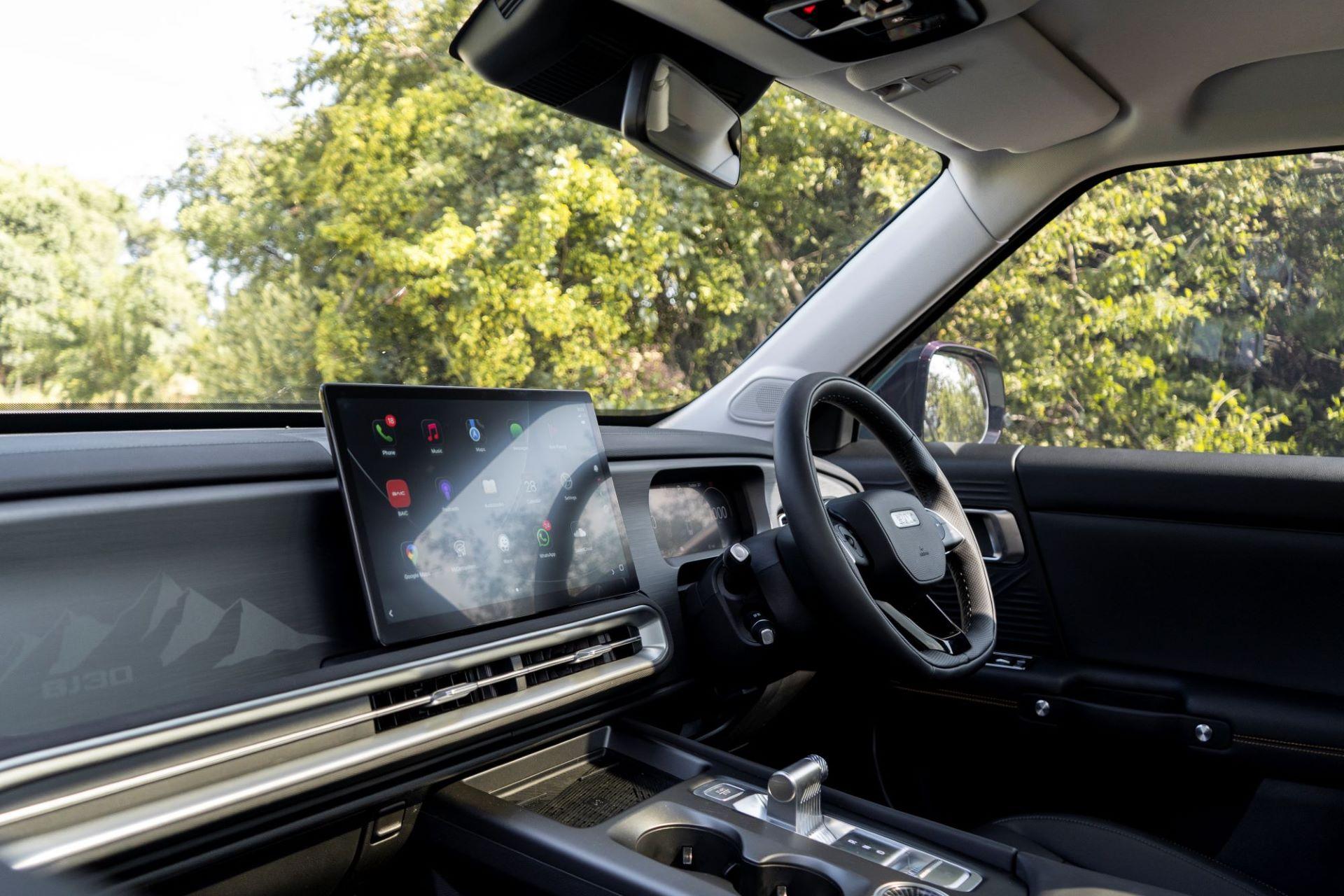
Adding a practical dimension to the visit, delegates were given the opportunity to experience BAIC vehicles first-hand through an exclusive test drive session. This hands-on engagement allowed participants to assess vehicle performance, comfort, and capability in real-world driving conditions, reinforcing the brand’s positioning around accessible mobility combined with robust engineering.
The test drive experience served as a fitting conclusion to a visit centred on both theory and practice, bridging the gap between manufacturing insight and end-user experience.
For BAIC South Africa, the engagement forms part of a broader commitment to regional industrial integration. By hosting stakeholders from neighbouring markets, the company continues to position itself as more than a manufacturer, instead acting as an active participant in shaping the future of automotive development across Southern Africa.
As interest grows in cross-border collaboration within the sector, engagements like this highlight the increasing interconnectedness of regional automotive ecosystems. They also point to a future where knowledge sharing, shared standards, and collaborative investment play a central role in driving competitiveness and innovation.
Rooted in Gqeberha but operating within a global network, BAIC South Africa continues to expand its local impact through manufacturing, job creation, supplier development, and skills transfer. Its ongoing openness to industry engagement reflects a long-term strategy focused not only on producing vehicles, but on contributing meaningfully to the evolution of the automotive landscape in South Africa and beyond.